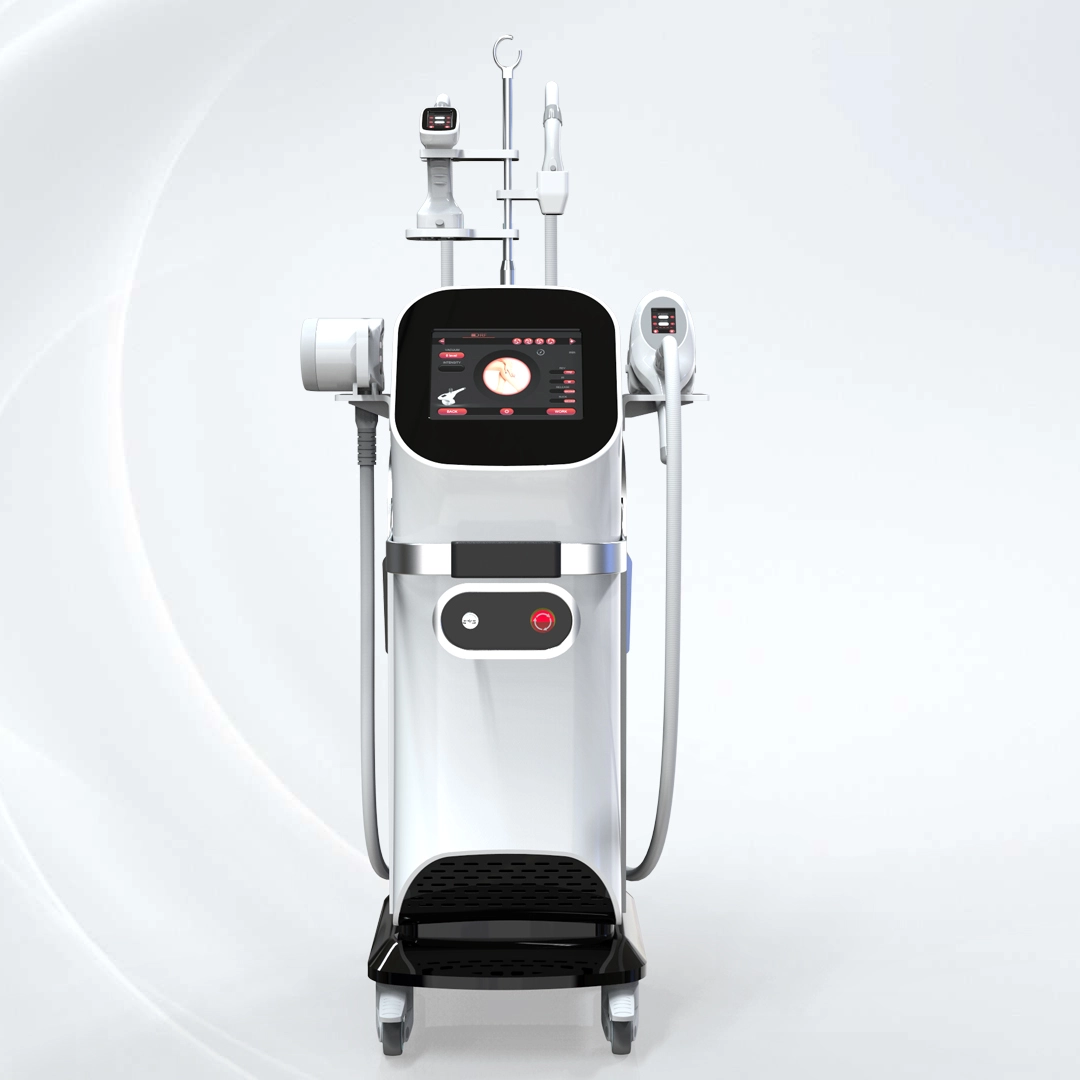
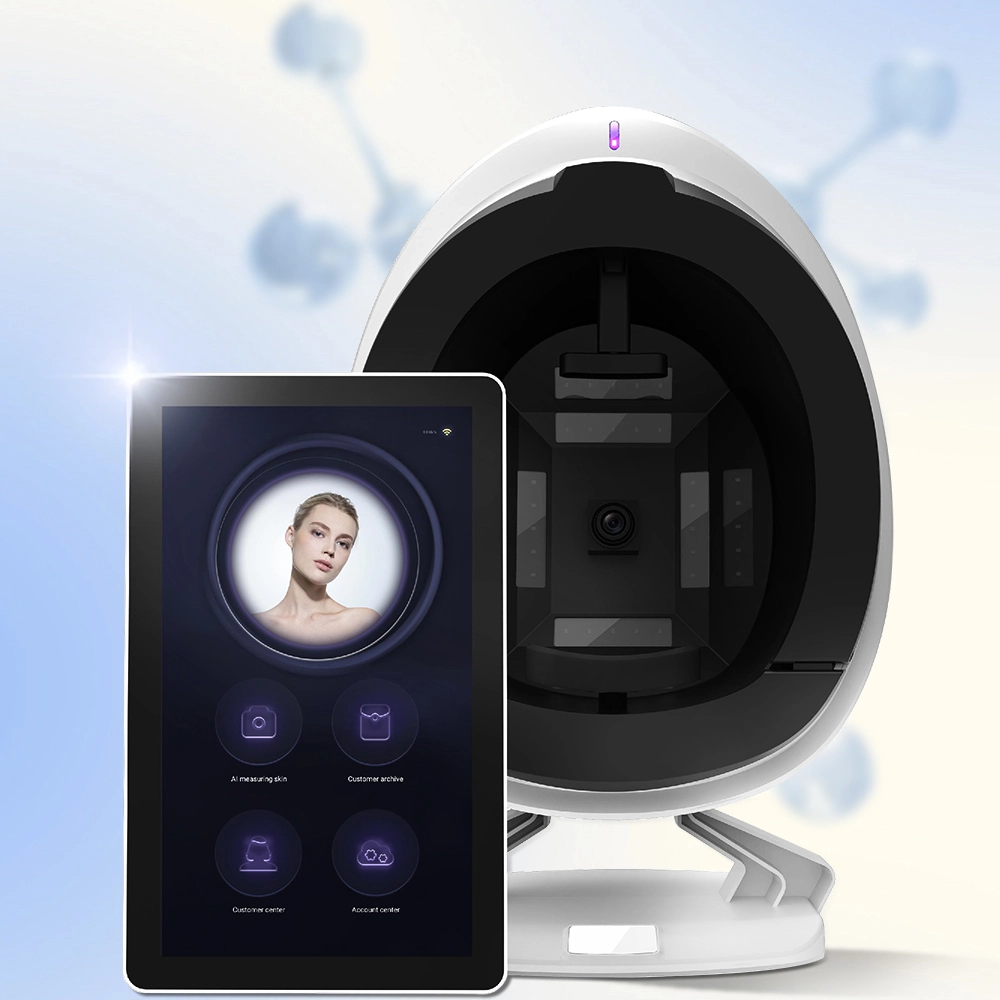
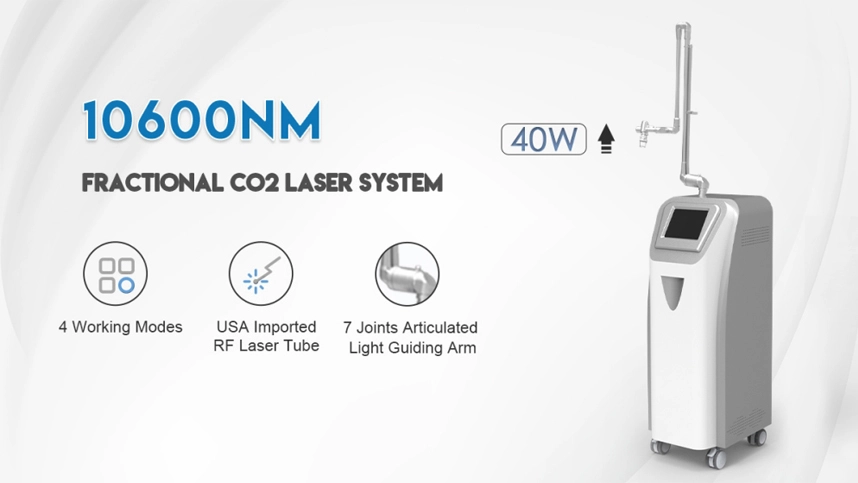
Both Q-Switched Nd: Yag Laser And Picosecond Laser are very similar in their applications. However, there are some key differences:
1. Pulse Duration:
The main difference between the two lasers is the pulse duration. Q-switched nd:Yag laser has a pulse duration of nanoseconds, while picosecond laser has a much shorter pulse duration of picoseconds.
This means that picosecond lasers can deliver shorter, more powerful bursts of energy, allowing for faster and more precise treatment. Yet q-switched nd:Yag laser can provide a wider range of pigmentation treatments.
2. Treatment Time:
Due to the shorter pulse duration, picosecond lasers can deliver treatment in a shorter time frame, usually within a few sessions. Q-switched nd:Yag laser may require more treatments to achieve the same results.
3. Wavelengths & Ink Colours
Research has shown that different wavelengths & power levels can target different ink colours when used in laser tattoo removal. When considering a tattoo removal machine, it's crucial to understand how these technologies operate to effectively address a wide spectrum of ink colors. For example, q-switched laser using 532nm wavelength can target red orange & purple inks – picosecond laser using 1064nm can target black, blue & green inks.
Conclusion
To summarise, picosecond laser may be a better option for those looking for faster and more precise results, while q-switched nd:Yag laser is still an effective choice for tattoo removal and a wider range of pigmentation applications. The effectiveness depends on the balance between pulse duration & power, depending on the targeted treatment.

 English
 中文